Getting there
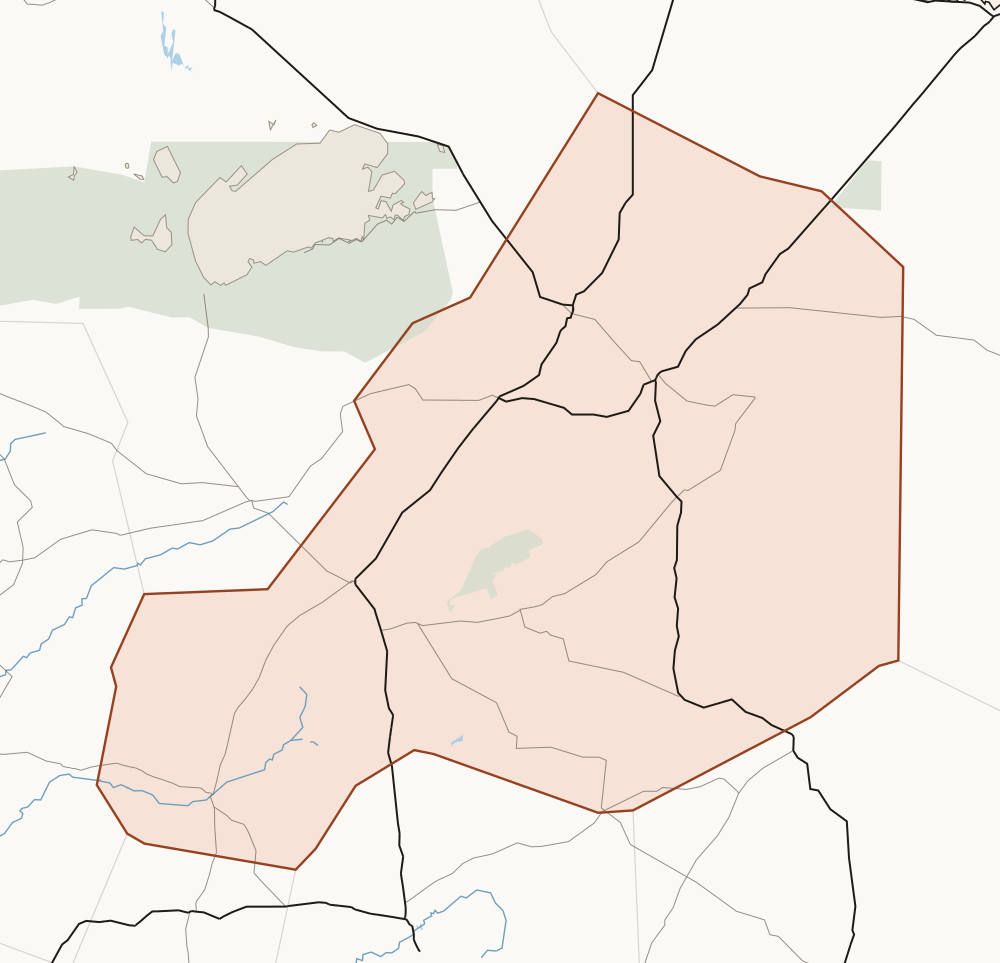
The B1 is the main road through this area. It runs north from Windhoek through Okahandja to Otjiwarongo, about 250 km by road from the capital, and on through Otavi and Tsumeb towards Ondangwa. At Otavi the B8 branches off to Grootfontein and Rundu; Tsumeb and Grootfontein are about 60 km apart. From Otjiwarongo the C38 leads to Outjo, about 70 km, and on to Etosha.
Waterberg Plateau Park lies 68 km east of Otjiwarongo; the C22 and the D2512 lead to the camp. Okonjima is reached by a gravel turn-off from the B1 just after the sign Otjiwarongo 50km, then 10 km of gravel to the reserve gate. The nearest international airport is Hosea Kutako, east of Windhoek.
What to see
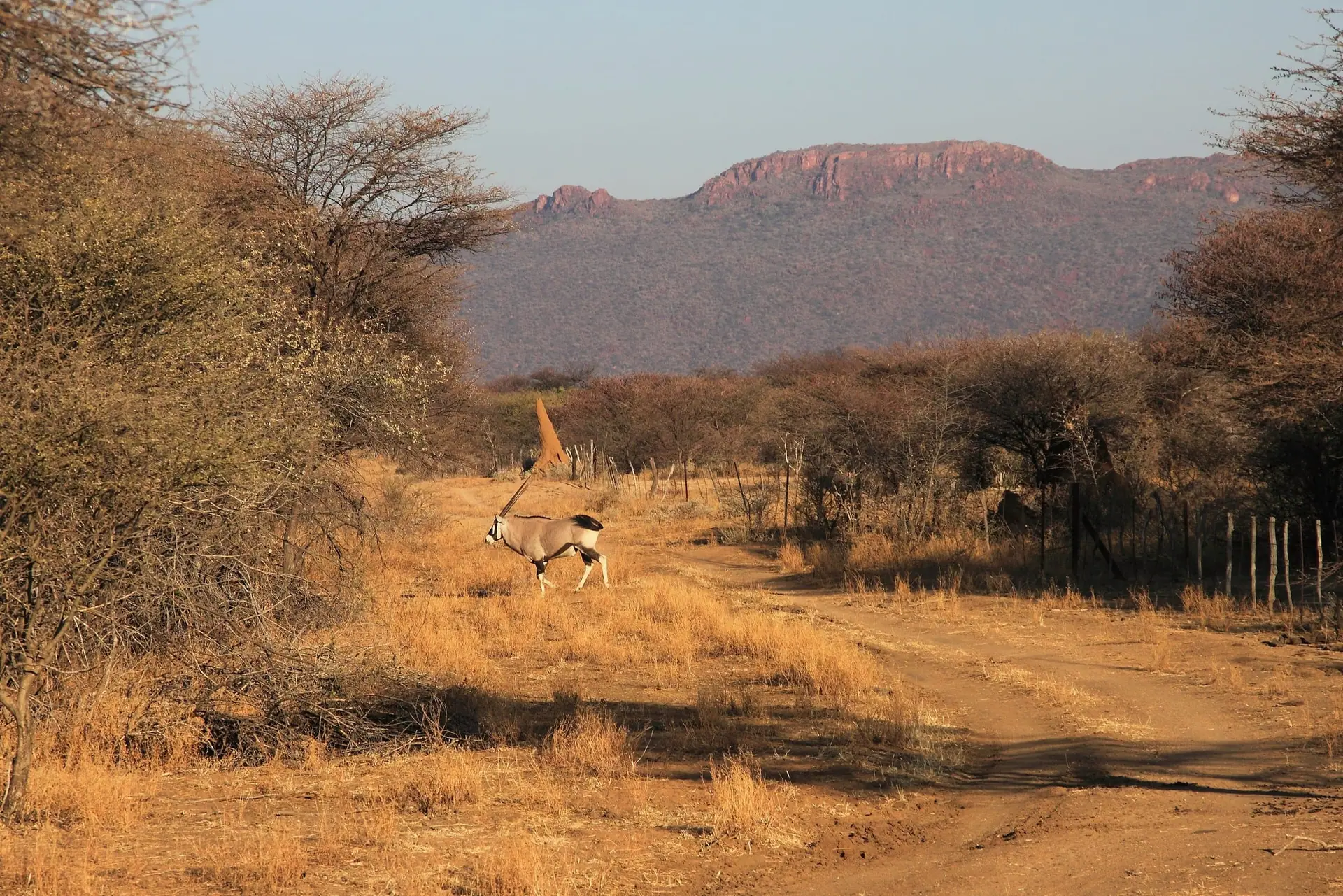
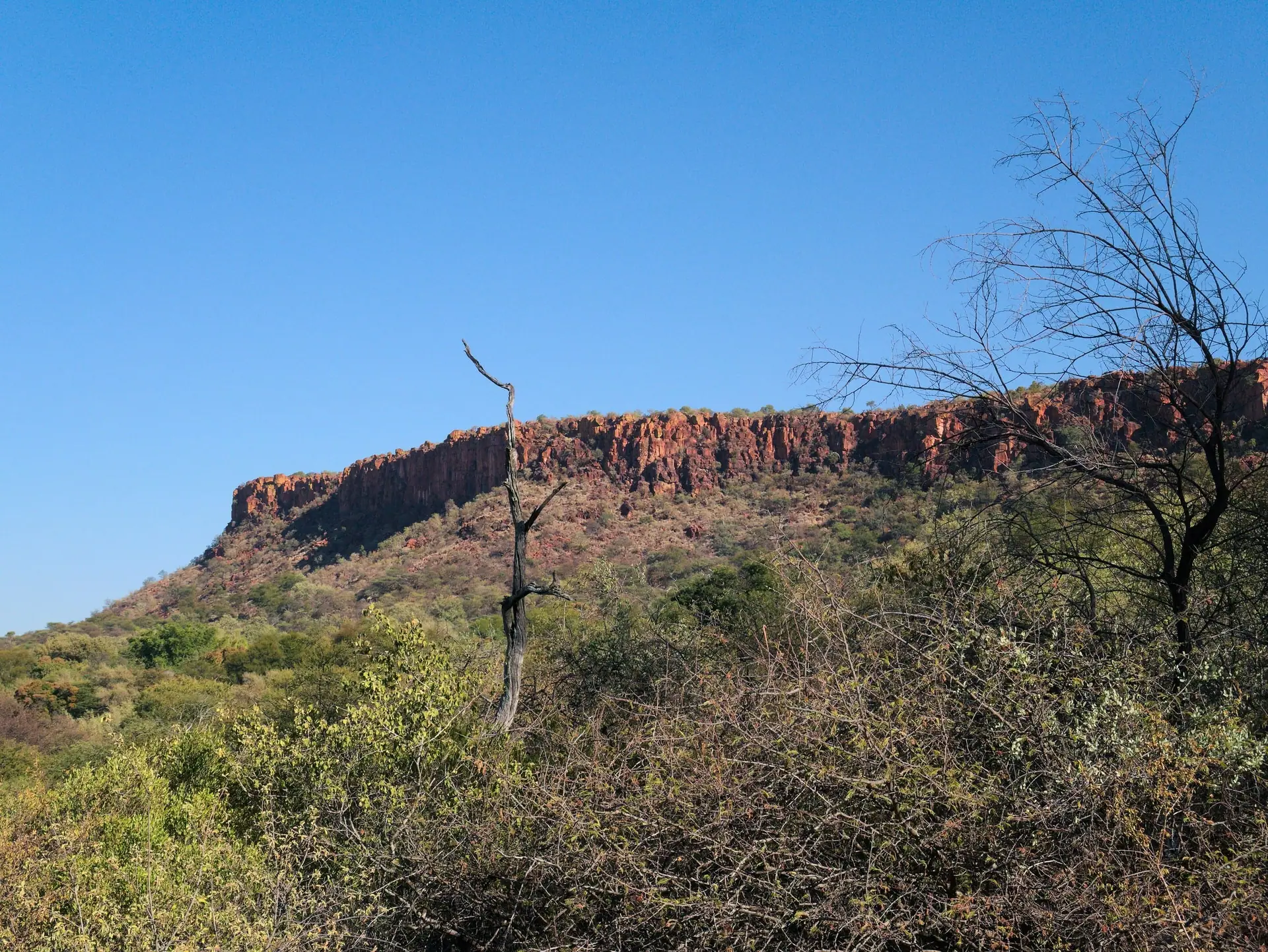
Waterberg Plateau Park protects a sandstone mountain about 50 km long, with permanent springs at its foot, rising above the Kalahari plains; the plateau itself is largely inaccessible. Okonjima, at the base of the Omboroko Mountains, is a private nature reserve of 22,000 hectares where the AfriCat Foundation carries out conservation research on large carnivores.
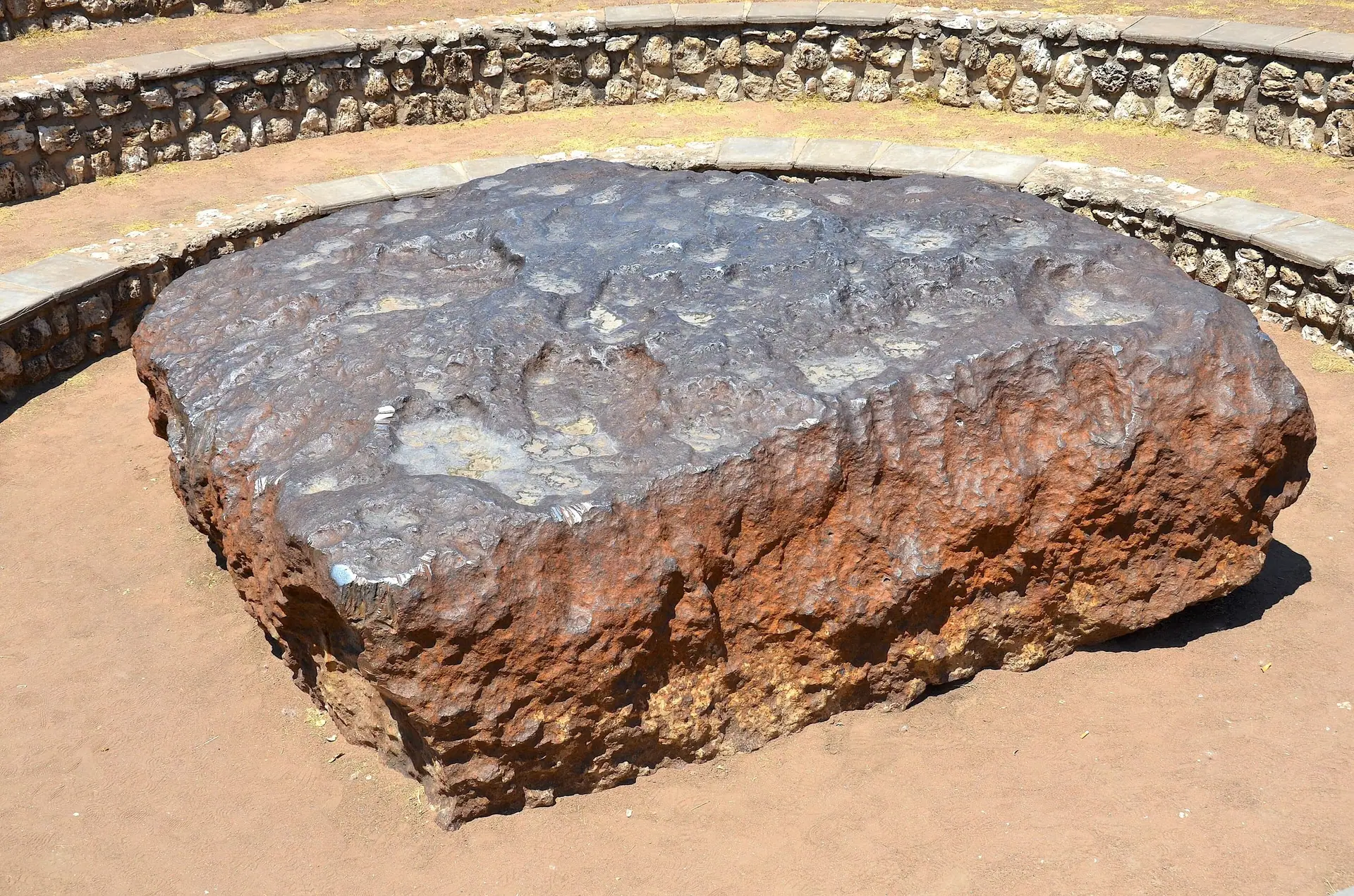
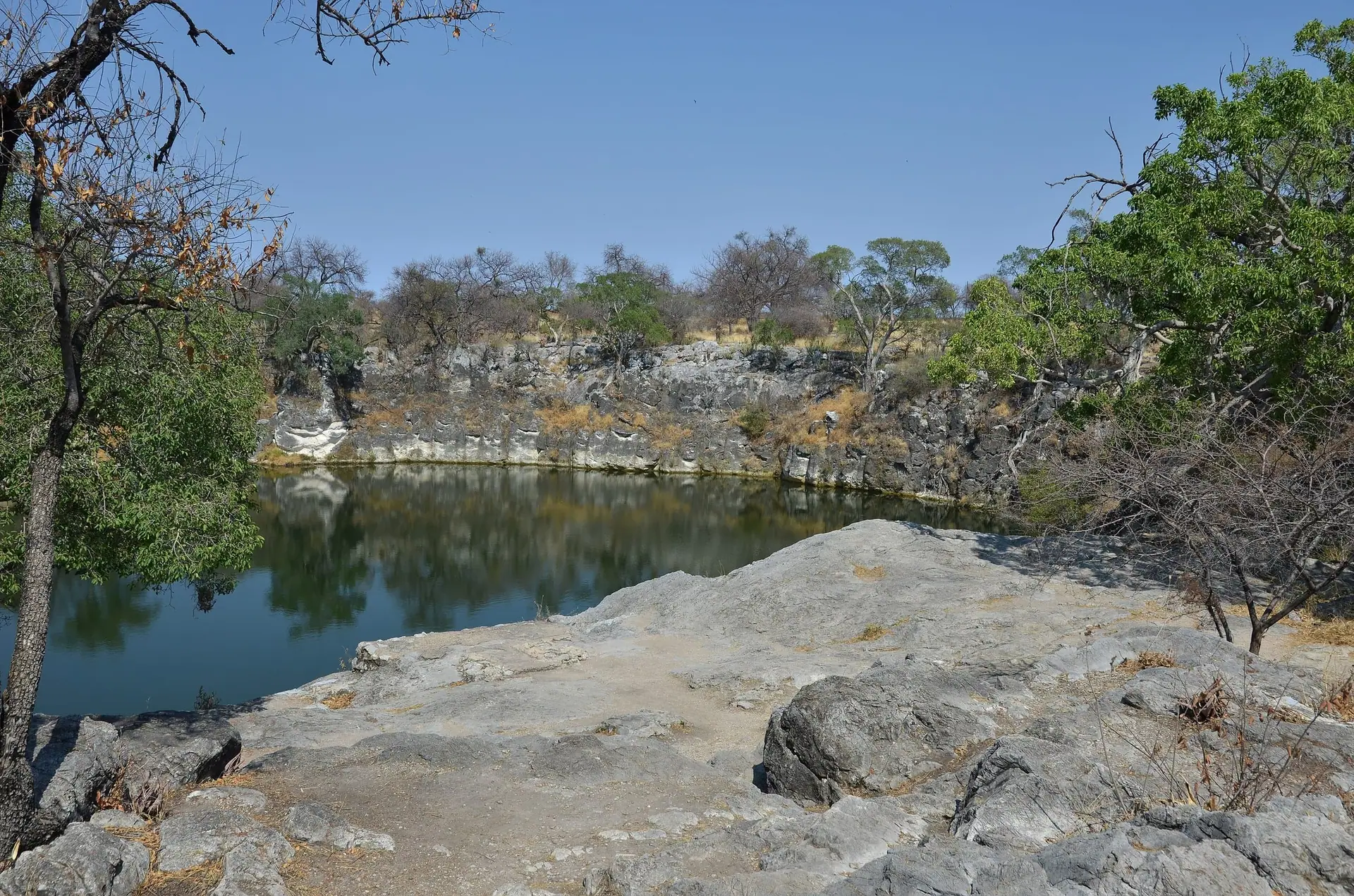
Further north, Lake Otjikoto on the B1 near Tsumeb is a sinkhole lake that formed when the roof of a cave collapsed. The Hoba meteorite near Grootfontein, reached by the D2859, weighs about 60 tonnes. Grootfontein's Old Fort, built in 1896, has housed a museum since 1983, and Tsumeb keeps several buildings of its early mining years, from 1907 to 1913.
Parks and wildlife
Waterberg Plateau Park covers 405 km² and was proclaimed in 1972 as a sanctuary for rare and endangered game species. The Ministry of Environment, Forestry and Tourism names buffalo, roan and sable antelope, eland, tsessebe and leopard among its animals, and more than 200 bird species live on and around the plateau.
In 1989 black rhinos were brought back to the plateau from Damaraland. The park also protects the last known breeding colony of Cape vultures in Namibia, as the park brochure published by the Namibia Tourism Board records. The plateau has a 48 km unguided hiking trail, and guided wilderness trails can be arranged; both need booking.
History and heritage
In 1904 the Ovaherero lost their last and greatest battle against German colonial forces at Waterberg, and thousands of people lost their lives in the retreat across the Omaheke. Germany has officially called the crimes of 1904 to 1908 against the Ovaherero and Nama a genocide since 2021, and Namibia has observed 28 May as Genocide Remembrance Day, a public holiday, since 2025.
In Omaruru, the Rhenish Mission House is the town's oldest building; the New Testament was translated into Herero there in 1874, which made it a written language. Lake Otjikoto, where German troops threw weapons in 1915, Grootfontein's Old Fort, the Ghaub Caves and the Khorab Memorial near Otavi are protected monuments.
Where to stay
Inside the park, Namibia Wildlife Resorts runs the Waterberg Resort, which the ministry calls the Bernabé de la Bat Rest Camp. It has family, premier and bush chalets, double rooms and 40 campsites, with a restaurant, a shop and a swimming pool.
Okonjima has its own camps and campsites inside its reserve, a further 14 to 16 km of gravel beyond the gate; the reserve also has a private airstrip. Elsewhere, in the farmland around Otjiwarongo, Otavi, Grootfontein, Tsumeb and Omaruru, travellers stay at guest farms and lodges.
Good to know
Waterberg Plateau Park is a group A park under Government Notice 115 of 2026. Since 1 April 2026 adults from abroad pay N$280, SADC nationals N$180 and Namibian citizens N$60; children above 8 and below 16 from abroad pay N$180, and a vehicle with up to 10 seats N$60. Each fee is half park entrance fee and half conservation fee.
NWR lists a restaurant, a bar, a shop and a pool at the Waterberg Resort, but no filling station. The CDC lists Otjozondjupa and Oshikoto, the regions that cover most of this area, among those with malaria transmission and recommends prescription prophylaxis; the Namibia Tourism Board puts the highest risk in the north between November and April.
Sources: Ministry of Environment, Forestry and Tourism, Waterberg Plateau Park · Namibia Wildlife Resorts, Waterberg Plateau Park · Namibia Wildlife Resorts, Fact Sheets 2024 · Namibia Tourism Board, Waterberg Plateau Park · Namibia Statistics Agency, 2023 Census, Otjozondjupa Region · Government Gazette 8877, Government Notice 115 of 2026 (park fees) · OpenStreetMap contributors (ODbL), road distances computed with the OSRM router · OpenStreetMap, route relations B1, B8, C38 and roads near the Waterberg camp · Okonjima Nature Reserve, Directions · Okonjima Nature Reserve · Namibia Airports Company, Hosea Kutako International Airport · Namibia Wildlife Resorts, Waterberg Resort · Namibia Tourism Board, Northern region (Hoba meteorite) · Wikidata, Hoba meteorite (mass) · National Heritage Council of Namibia, Heritage places · Legal Assistance Centre, NAMLEX index National Heritage · German Federal Foreign Office, statement of 28 May 2021 · Government Gazette 8373, Proclamation 19 of 2024 (Genocide Remembrance Day) · CDC, Travelers' Health: Namibia · Namibia Tourism Board, Health · checked 24 October 2026